

One of the challenging aspects of a Countywide comprehensive plan is the diverse range of interests and perspectives brought to the process by landowners, residents, municipalities, and other stakeholders. To bring together these disparate views, the 2006 Plan included stakeholder interviews, an agency roundtable, and a community workshop. Using the information gathered at these meetings and guidance from staff and the Planning Commission, fundamental first principles that guided the more detailed parts of the County comprehensive plan were identified. In 2017, a series of stakeholder discussions were held along with a survey focused on key policy questions. Using this input, the plan’s first principles were validated, clarified, and expanded. These principles should guide decision-making and express a vision for County development. The following chapter provides an overview of the community-input process.
2005 Stakeholder Input
Stakeholder Discussions (2005)
The community-input process began with a series of Stakeholder Meetings on July 7, 2005. There were four meetings held with 22 total participants. These meetings included County land owners, developers, engineers, public sector officials and County residents. The broader themes of the day included:
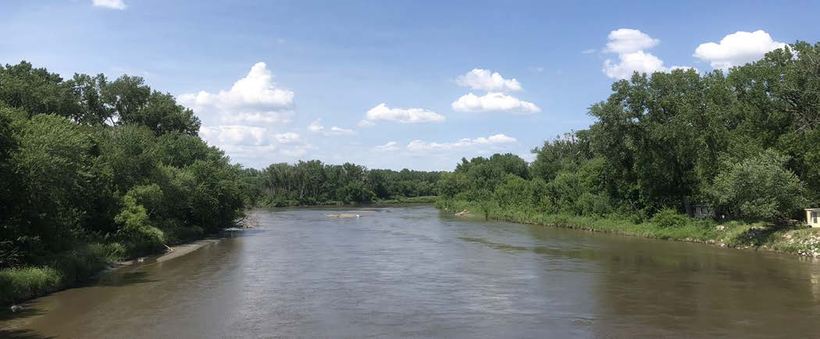
- Floodplain Development. Although it has been a number of years since a large scale flood has occurred, proper management of development is still very important. Development of the floodplain is possible but there are numerous other locations in the region that are better suited for large scale development. New floodplain maps for the Platte River were published in December that take into consideration the effects of ice-jams.
- Resource Extraction. The best opportunities for sand and gravel extraction occur within the Platte River floodplain. These resources must be protected for future extraction with housing developments directed to abandoned gravel pit lakes.
- Water Resources. There has been concern about the effect of the new MUD wellfields on water levels in area lakes and the Platte River. The extensive Environmental Assessment done by MUD determined that water levels will not be noticeably affected by the new wells.
Discussions also centered on the possible declaration of the Platte River as “fully appropriated.”
- Infrastructure. Discussion of infrastructure facilities included electrical services, wastewater treatment, and transportation facilities. Themes included:
» » Electrical, OPPD’s biggest issue will be identifying sites for new transmission stations that will accommodate continued growth.
» » Waste Water concerns included the development of a large number of septic systems that could influence ground water quality and the effect of community package systems on surface water quality. Municipalities are also concerned about impeding future growth through the development of acreage subdivisions on septic systems adjacent to existing jurisdictional limits.
» » Transportation issues focused on meeting the needs of future urban development areas without compromising the rural character of Douglas County.
- Conservation Development. Conservation subdivisions should be one technique used to maintain the rural character of Douglas County. Environmental features should be viewed as amenities that are preserved and incorporated into developments.
Community Workshop (2005)
On the evening of July 7, 2005 County residents were invited to a community workshop where they were asked to share their ideas for the future of the County. The workshop was held in Valley with 14 County residents in attendance. The major themes identified by those who attended included:
Agency Roundtable (2005)
Although each community has an extra-territorial jurisdiction outside their city limits that they control, the interaction between the communities and the County is a very important component to the growth of the County. As these communities continue to grow and develop their own annexation plans, their jurisdictions will extend into the County jurisdiction. These transitional areas are often important growth areas that will be considered within this plan. Therefore, a “planners roundtable” was held to gather information from those officials involved in the development and zoning of each community. The roundtable also provided information on the future growth directions of each community. The following section is a summary of the roundtable that was held in July, 2005 with representatives from Omaha, Valley and Sarpy County. Separate discussions were also held with representatives from Elkhorn and Bennington.
- Concern about development and being told what will happen to their land.
- Maintenance of rural character.
- Concern about higher density developments out in the County.
- Controlled growth.
- Papillion Watershed. The current Papillion Creek treatment plant can handle full build-out of the Papillion Creek watershed. It is estimated that the portion of the watershed located in Douglas County will be fully built out in 20 to 25 years.
- Density. Areas within the Papillion Creek watershed should be reserved for urban density development, fully utilizing the capacity of the watershed’s treatment facility. Current Omaha Sanitary and Improvement District (S.I.D.) density has been 3 to 3.5 units per acre taking in about 1.5 square miles a year.
- Development Policy. Future development policies should capture the full development potential of the
County and the sales and property tax dollars these developments can generate. Development policies should also establish an incremental growth pattern that extends sewers, roads and other infrastructure in the most cost effective way possible.
- Development Design. Policies should be established that encourage quality design but do not price some segments of the population out of the market. A range of housing should be provided in developing areas but that does not mean quality design must be sacrificed.
- Valley’s Future Growth. The new Highway 275 Expressway and sewer line to Fremont have positioned Valley to accommodate growth. New residential subdivisions are water-related and will likely continue to be the major focus of residential development.
- Sarpy County. As growth on a regional level continues to occur, transportation connections, specifically north/ south connections will be a significant concern. The two counties will need to identify better ways to move residents between the counties and improve regional connections.
2017 Stakeholder Input
Stakeholder Discussions
In 2017, a series of eight Stakeholder Meetings were held to validate the previous items and discuss emerging trends. During these sessions, eight new or modified themes emerged.
- Stormwater Management. The two watersheds function differently and therefore should be treated differently. At the same time, stormwater management techniques should be viewed as an amenity and when possible should be combined to create attractive recreation opportunities.
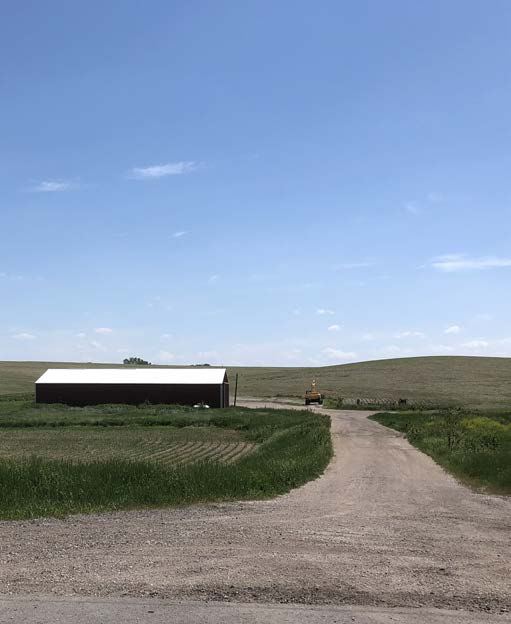
- Local Food Production. Locally grown food is a growing priority for many residents. Expanded production will need to consider adjacent land uses along with economic factors such as the transportation needs of farm workers. On a smaller scale, shared garden spaces can be a draw within new developments.
- Wellhead Protection. State requirements for wellhead protection are focused on larger public water supplies and not private wells. Within the Platte valley, groundwater may only be a few feet from the surface, making land-use controls that protect groundwater very important.
- Energy Policy. The plan now incorporates an energy element. Many of the utilities are working toward energy reduction, but building codes should be reviewed regularly to keep pace with the latest technology.
- Solid Waste Management. The current Integrated Solid Waste Management Plan (ISWMP) embraces the concept of “waste hierarchy” where the first priority is to reduce the amount of waste generated; second, to maximize recycling and reuse of waste products; and third, to landfill or dispose of waste. Supporting this hierarchy could involve short-term costs that are offset by long-term economic and environmental benefits.
- Land Use. The general direction of the plan’s existing land use policies were confirmed with some additions. These included the need to define appropriate uses within open spaces created in new developments and reinforcing Heartland 2050’s focus on neighborhood centers.
- Transportation Plan. Many of the most pressing issues are located outside the County’s zoning jurisdiction but larger concepts like the regional beltway have fallen away in the current 2040 Long Range Transportation Plan. Bike connections should continue to be explored to create safe transportation corridors.
- Recreation and Tourism. There is growing recreational use of the Elkhorn River, but at the same time, most developments along the river want private and not public access. River trail and bike trails continue to be developed but activities that engage families of all ages should be incorporated into open spaces.
Stakeholder Survey
In an effort to gather input on specific policy recommendations, a survey was conducted in the Spring of 2017. The survey was sent out to all those who participated or were invited to the Stakeholder group discussions held in early 2017. The following provides an overview of responses. (Fifty-four of the approximately 89 surveys that were sent out were completed)
- Local Food Production. With strong support for local food production (72 on a scale of 0 to 100), most respondents also believe that specific policies favoring local food production or designation of specific areas was needed.
- Floodplains & Open Spaces. Most respondents agreed or strongly agreed that open spaces, including those in floodplains, should allow for renewable energy systems, recreation activities, and local food production. Recreation uses should be limited to trails, water access, and natural spaces.
- Stormwater Management. Because of the complexity of Stormwater Management several questions were asked on this topic. Respondents felt:
- There should be minimum requirements with more specific rules tailored to the different conditions found in the Platte/Elkhorn watersheds versus the Papillion Creek watershed.
- Water quality, stream erosion, and ground water pollution were all viewed as very important factors in how the County manages stormwater.
- New developments should be required to install practices that reduce surface runoff and pollution from smaller storms.
- Waste Reduction. Participants felt strongly (85 on a scale of 0 to 100) that reducing waste was important. They felt this should be done through:
- Increasing efforts and funding for public education on recycling, composting, reuse, and waste reduction.
- Designating a location for a commercial composting facility for yard waste and other specific organic waste products.
- Creating policies that encourage or create local markets for reuse of waste materials.
- Energy. Respondents rated the importance of increasing energy efficiency and sources of renewable energy high (80 and 77 respectively on a scale of 0 to 100). Most felt this should be done through policies or codes that incentivize energy efficient buildings and the use of renewable energy sources, along with removing barriers to installing and using renewable energy sources.
- Wellhead Protection. Most participants felt that policies and regulations should not go beyond state and federal requirements.
Local food production should be encouraged/prioritized in a specific area(s) of the County’s jurisdiction.
Sites appropriate for local food production (with landowner’s support) should be proactively identified into a database that will support local food production initiatives.
Local food production policies should prioritize vegetable and fruit production over animal production.
There should not be policies related to local food production in Douglas County.
Response figures
| Statement | Strongly Disagree | Disagree | No Opinion | Agree | Strongly Agree |
|---|---|---|---|---|---|
| Local food production should be encouraged/prioritized in a specific area(s) of the County’s jurisdiction. | 0% | 9% | 19% | 49% | 23% |
| Sites appropriate for local food production (with landowner’s support) should be proactively identified into a database that will support local food production initiatives. | 2% | 5% | 20% | 49% | 24% |
| Local food production policies should prioritize vegetable and fruit production over animal production. | 0% | 17% | 42% | 26% | 16% |
| There should not be policies related to local food production in Douglas County. | 20% | 43% | 19% | 16% | 2% |
- All recreational activities should be allowed, including the construction of roads, parking lots, and shelters to make full use of the land.
- Recreational activities should be allowed, but limited to passive uses such as trails, water access, and natural spaces.
- Recreational activities should be discouraged in floodplains based on public safety concerns and open space preservation.
- None of the above.
Response figures
| Statement | All recreational activities, including roads, parking lots and shelters | Limited to passive uses — trails, water access and natural spaces | Discouraged, on public safety and open space grounds | None of the above |
|---|---|---|---|---|
| Level of recreational activity allowed | 33% | 60% | 7% | 0% |
Renewable Energy Systems.
Recreational activities/facilities beyond general open space (shelters, benches, play equipment, etc.)
Local food production.
Response figures
| Statement | Strongly Disagree | Disagree | No Opinion | Agree | Strongly Agree |
|---|---|---|---|---|---|
| Renewable Energy Systems. | 5% | 2% | 19% | 58% | 16% |
| Recreational activities/facilities beyond general open space (shelters, benches, play equipment, etc.) | 2% | 7% | 9% | 44% | 38% |
| Local food production. | 5% | 10% | 5% | 61% | 19% |
- Have minimum requirements for all areas, but have more specific rules that are tailored by each watershed. For example, requirements in areas that drain to Papillion Creek may be different than those that drain to the Elkhorn River.
- Regardless of unique conditions, there should be uniform requirements that apply to all areas regulated by the County.
Response figures
| Statement | Minimum requirements for all areas, tailored by watershed | Uniform requirements for all areas regulated by the County |
|---|---|---|
| Preferred basis for stormwater policy | 77% | 23% |
Control all additional runoff that is created by newly-developed impervious surfaces to maintain pre-development conditions.
Control surface runoff from the largest storms to rates lower than existing conditions.
Create features to reduce surface runoff from moderate rainfall events that erode stream banks.
Be required to install practices to reduce surface runoff and pollution from smaller storms.
Response figures
| Statement | Strongly Disagree | Disagree | No Opinion | Agree | Strongly Agree |
|---|---|---|---|---|---|
| Control all additional runoff that is created by newly-developed impervious surfaces to maintain pre-development conditions. | 2% | 5% | 14% | 31% | 48% |
| Control surface runoff from the largest storms to rates lower than existing conditions. | 5% | 12% | 9% | 48% | 26% |
| Create features to reduce surface runoff from moderate rainfall events that erode stream banks. | 0% | 5% | 7% | 37% | 51% |
| Be required to install practices to reduce surface runoff and pollution from smaller storms. | 0% | 7% | 2% | 40% | 51% |
Groundwater or well-source pollution.
Crop losses or agricultural impacts caused by high flows or flooding.
Damage to buildings and infrastructure from larger flood events, which occur less frequently.
Flash flooding from large rainfall events.
Stream erosion and its potential impact on public infrastructure and private property.
Water quality of streams and lakes impacted by elevated levels of pollutants.
Response figures
| Statement | Not Important | Somewhat Important | No Opinion | Moderately Important | Very Important |
|---|---|---|---|---|---|
| Groundwater or well-source pollution. | 0% | 7% | 9% | 24% | 60% |
| Crop losses or agricultural impacts caused by high flows or flooding. | 9% | 16% | 19% | 42% | 14% |
| Damage to buildings and infrastructure from larger flood events, which occur less frequently. | 2% | 12% | 9% | 37% | 40% |
| Flash flooding from large rainfall events. | 0% | 7% | 4% | 33% | 56% |
| Stream erosion and its potential impact on public infrastructure and private property. | 0% | 7% | 2% | 30% | 61% |
| Water quality of streams and lakes impacted by elevated levels of pollutants. | 2% | 2% | 2% | 26% | 68% |
Increase efforts/funding for public education on recycling, composting, reuse, and waste reduction.
Prohibit compostable/recyclable materials in the landfill.
Create policies that encourage/create local markets for reuse of waste materials.
Increase the price to put waste in the landfill.
Designate a location for a commercial composting facility for yard waste and other specific organic waste products.
Response figures
| Statement | Strongly Not Support | Somewhat Not Support | No Opinion | Somewhat Support | Strongly Support |
|---|---|---|---|---|---|
| Increase efforts/funding for public education on recycling, composting, reuse, and waste reduction. | 0% | 0% | 9% | 33% | 58% |
| Prohibit compostable/recyclable materials in the landfill. | 5% | 15% | 21% | 40% | 19% |
| Create policies that encourage/create local markets for reuse of waste materials. | 0% | 5% | 7% | 35% | 53% |
| Increase the price to put waste in the landfill. | 2% | 12% | 30% | 30% | 26% |
| Designate a location for a commercial composting facility for yard waste and other specific organic waste products. | 0% | 0% | 9% | 35% | 56% |
I would not support renewable energy policies/codes.
Policies/codes that require the use of renewable energy sources.
Policies/codes that incentivize the use of renewable energy sources.
Policies/codes that remove barriers to installing/using renewable energy sources.
Response figures
| Statement | Strongly Disagree | Disagree | No Opinion | Agree | Strongly Agree |
|---|---|---|---|---|---|
| I would not support renewable energy policies/codes. | 52% | 24% | 17% | 5% | 2% |
| Policies/codes that require the use of renewable energy sources. | 2% | 20% | 21% | 36% | 21% |
| Policies/codes that incentivize the use of renewable energy sources. | 2% | 0% | 14% | 44% | 40% |
| Policies/codes that remove barriers to installing/using renewable energy sources. | 2% | 5% | 9% | 44% | 40% |
I would not support energy-efficient policies.
Policies/codes that require more energy-efficient buildings.
Policies/codes that incentivize energy-efficient buildings.
Policies/codes that remove barriers to energy-efficient buildings.
Response figures
| Statement | Strongly Disagree | Disagree | No Opinion | Agree | Strongly Agree |
|---|---|---|---|---|---|
| I would not support energy-efficient policies. | 53% | 37% | 10% | 0% | 0% |
| Policies/codes that require more energy-efficient buildings. | 0% | 7% | 20% | 47% | 26% |
| Policies/codes that incentivize energy-efficient buildings. | 0% | 2% | 7% | 44% | 47% |
| Policies/codes that remove barriers to energy-efficient buildings. | 0% | 5% | 12% | 42% | 41% |
Douglas County should require a minimum distance between private wells.
Douglas County should limit the number of private wells.
Douglas County should do nothing beyond State and Federal requirements.
Response figures
| Statement | Strongly Disagree | Disagree | No Opinion | Agree | Strongly Agree |
|---|---|---|---|---|---|
| Douglas County should require a minimum distance between private wells. | 2% | 5% | 25% | 40% | 28% |
| Douglas County should limit the number of private wells. | 2% | 28% | 30% | 26% | 14% |
| Douglas County should do nothing beyond State and Federal requirements. | 19% | 27% | 35% | 14% | 5% |